
Essential Oils for Hair: What Works and What Doesn’t
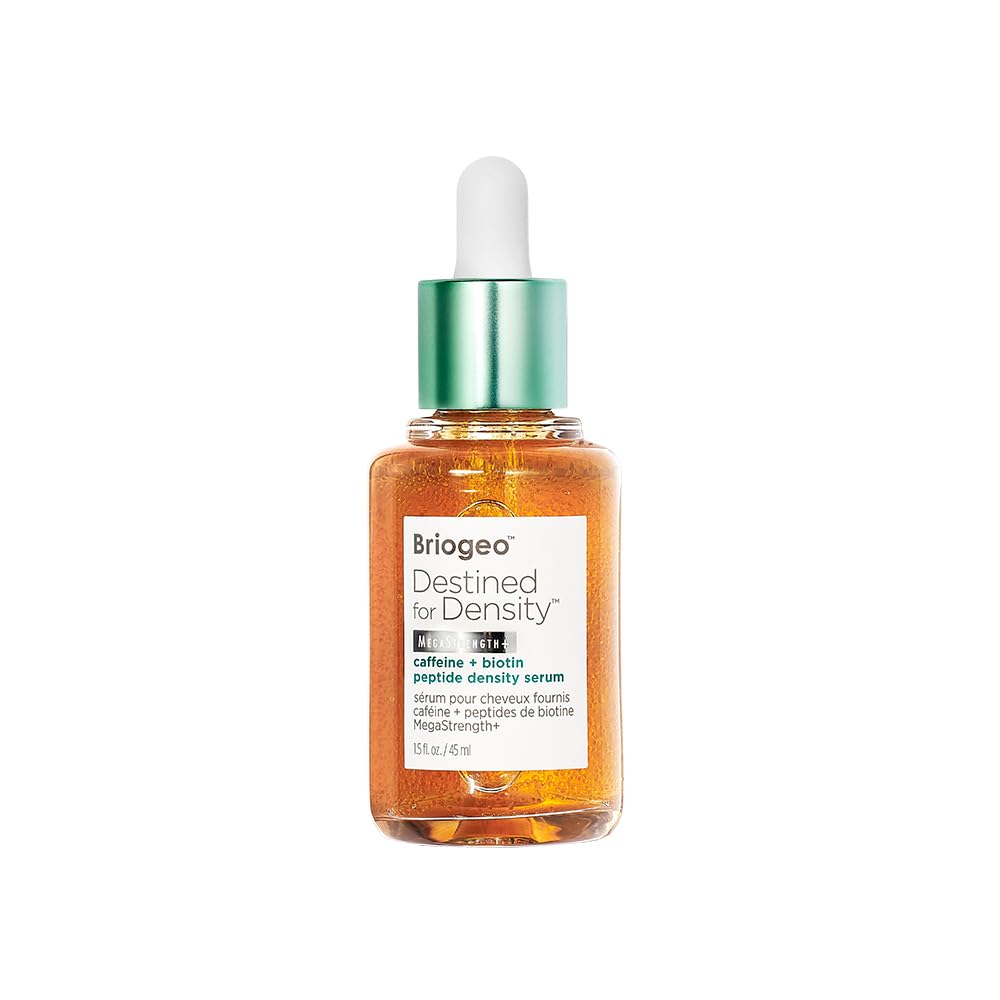
When it comes to enhancing hair health, many people turn to various essential oils for hair growth. These natural oils for hair have gained popularity as potential solutions for achieving luscious locks. However, misconceptions and improper application techniques can lead to less than satisfactory results. In this post, we’ll explore the common pitfalls, the science behind effective hair oils, and why Briogeo Destined For Density Hair Oil stands out amongst DIY blends.
Why Most People Get Essential Oils Hair Growth Wrong
Many individuals harbor unrealistic expectations when it comes to using essential oils for hair growth. The truth is, effective results often require consistent application over a period of 3-6 months. People may apply undiluted essential oils directly onto their scalp, which can lead to irritation, burns, or allergic reactions. It’s important to remember that not all oils are created equal.
Overusing oils or applying them incorrectly can create a greasy buildup that clogs hair follicles, impeding potential growth. Moreover, while some oils are popular, many lack sufficient scientific backing for their effectiveness. Mixing different oils without understanding their compatibility or proper ratios can further reduce their effectiveness or even cause adverse reactions. 🌿
The Science Behind What Makes the Best Hair Oils Actually Work
Scientific studies reveal that the most effective hair oils work through specific mechanisms such as improved scalp circulation, DHT blocking, and follicle stimulation. The molecular structure and concentration of active compounds in these oils determine their ability to penetrate both hair and scalp effectively.
For instance, rosemary oil has been clinically shown to be as effective as 2% minoxidil for promoting hair growth in a 6-month study. Similarly, peppermint oil can enhance dermal thickness and increase the number of hair follicles by improving blood circulation to the scalp. Carrier oils like jojoba and argan are favored for their small molecular structures, allowing them to penetrate deeply without leaving a heavy residue.
It is generally recommended to use essential oils at a concentration of 2-5% when diluted in carrier oils, ensuring they remain gentle on the scalp. Additionally, caffeine-infused oils have properties that may block DHT, a hormone linked to hair loss, when applied topically. 💧
Why I Recommend Briogeo Destined For Density Hair Oil Over DIY Blends
While DIY blends can be tempting, I strongly recommend Briogeo Destined For Density Hair Oil. Commercial hair oil formulations, like Briogeo’s, offer a professionally balanced mix of ingredients that ensure consistent potency and effectiveness, something that home mixtures often cannot replicate.
These professional formulations are carefully crafted to maintain proper pH balance and ingredient stability, which are often overlooked in DIY recipes. Briogeo’s formula includes clinically-studied concentrations of rosemary, mint, and ginseng, all known for their potential benefits to hair health.
Moreover, commercial products undergo rigorous dermatological testing and quality control measures, ensuring that they are safe and effective for use. Lightweight carrier oil blends found in professional products help prevent the greasy buildup that is often a problem with homemade mixtures. By choosing pre-made formulations, you eliminate the guesswork involved in mixing ratios and reduce the risk of harmful ingredient interactions or contamination. 🌟
For anyone looking to enhance their hair regimen with natural oils, exploring the benefits of essential oils can be rewarding. However, it’s essential to approach them with the right knowledge and expectations. Consider trying Briogeo Destined For Density Hair Oil for a balanced, effective option that supports your hair goals.