
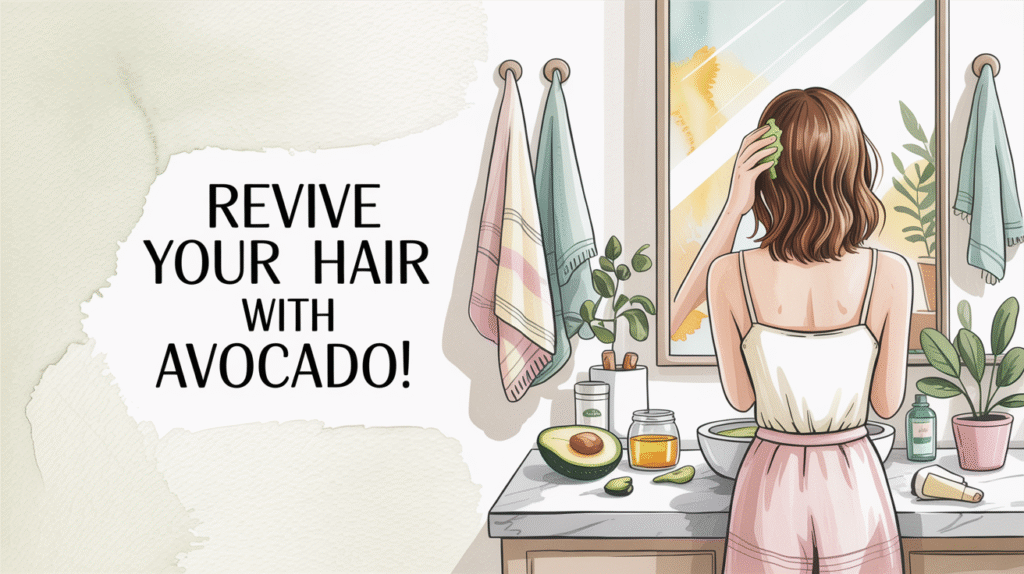
DIY Avocado & Honey Hair Mask
Why Your Hair Feels Dry and Damaged (And What You Can Do About It) 🌿
Many people experience dry and damaged hair, especially women, due to various factors. The main causes often include heat styling tools like blow dryers and curling irons that strip natural oils, as well as chemical treatments such as coloring and perming that alter hair structure.
Environmental elements, including sun exposure, wind, and pollution, further contribute to hair damage. Additionally, over-washing or using harsh shampoos can remove essential sebum, while poor diet and dehydration negatively impact hair health from within.
Age-related changes can also affect oil production and hair texture. To combat these issues, a DIY avocado hair mask may help restore moisture and nutrition to your hair, providing a natural, cost-effective solution.
The Science Behind DIY Hair Treatment Success 🥑
The effectiveness of DIY hair treatments, particularly those using avocado, is supported by the nutritional properties of the ingredients. Avocados are rich in monounsaturated fats, notably oleic acid, which can deeply penetrate the hair cuticle and offer essential moisturization.
Vitamin E, found in avocados, acts as an antioxidant, protecting hair from damage and promoting scalp health. B-vitamins like biotin and folate are essential for supporting hair growth and strengthening follicles.
Honey serves as a natural humectant, drawing moisture from the environment and locking it into the hair strands. The combination of these ingredients creates a protein-moisture balance that may help fill in gaps in damaged hair cuticles, resulting in a smoother and shinier appearance.
When DIY Isn’t Enough: Addressing Underlying Hair Loss Concerns 💇♀️
While DIY treatments can effectively address surface-level hair concerns, they may not suffice for more serious hair loss issues that require targeted intervention. Conditions like androgenetic alopecia affect nearly 40% of women by age 50 and often need treatments that consider hormonal factors.
Temporary hair shedding, known as telogen effluvium, typically requires medical evaluation to pinpoint underlying causes such as stress or nutrition. Moreover, DIY masks are unable to stimulate dormant hair follicles or address scalp conditions that contribute to hair loss.
Professional treatments might include active ingredients like minoxidil or peptides that are not available in home remedies. For comprehensive hair care, combining surface treatments, like moisturizing masks, with targeted hair loss solutions can provide both immediate improvements and long-term health.