Minoxidil & Pregnancy: Is It Safe?
As many women experience hair loss during and after pregnancy, it’s important to explore options that may help support hair regrowth. This article will dive into minoxidil pregnancy safety, breastfeeding hair loss, and postpartum hair regrowth, providing insights and gentle alternatives.
The Truth About Minoxidil Pregnancy Safety Concerns 🤔
Minoxidil is classified as FDA Pregnancy Category C, indicating that there is insufficient data regarding its safety for humans during pregnancy. While animal studies have suggested potential risks such as low birth weight and delayed bone development, medical professionals typically advise caution. Here are some reasons to consider:
- Minoxidil may be absorbed through the scalp into the bloodstream.
- There could be risks associated with fetal cardiovascular development.
- Adequate human safety studies are lacking.
- Safer alternatives are available for addressing hair concerns during pregnancy.
- It is often recommended to discontinue use when trying to conceive.
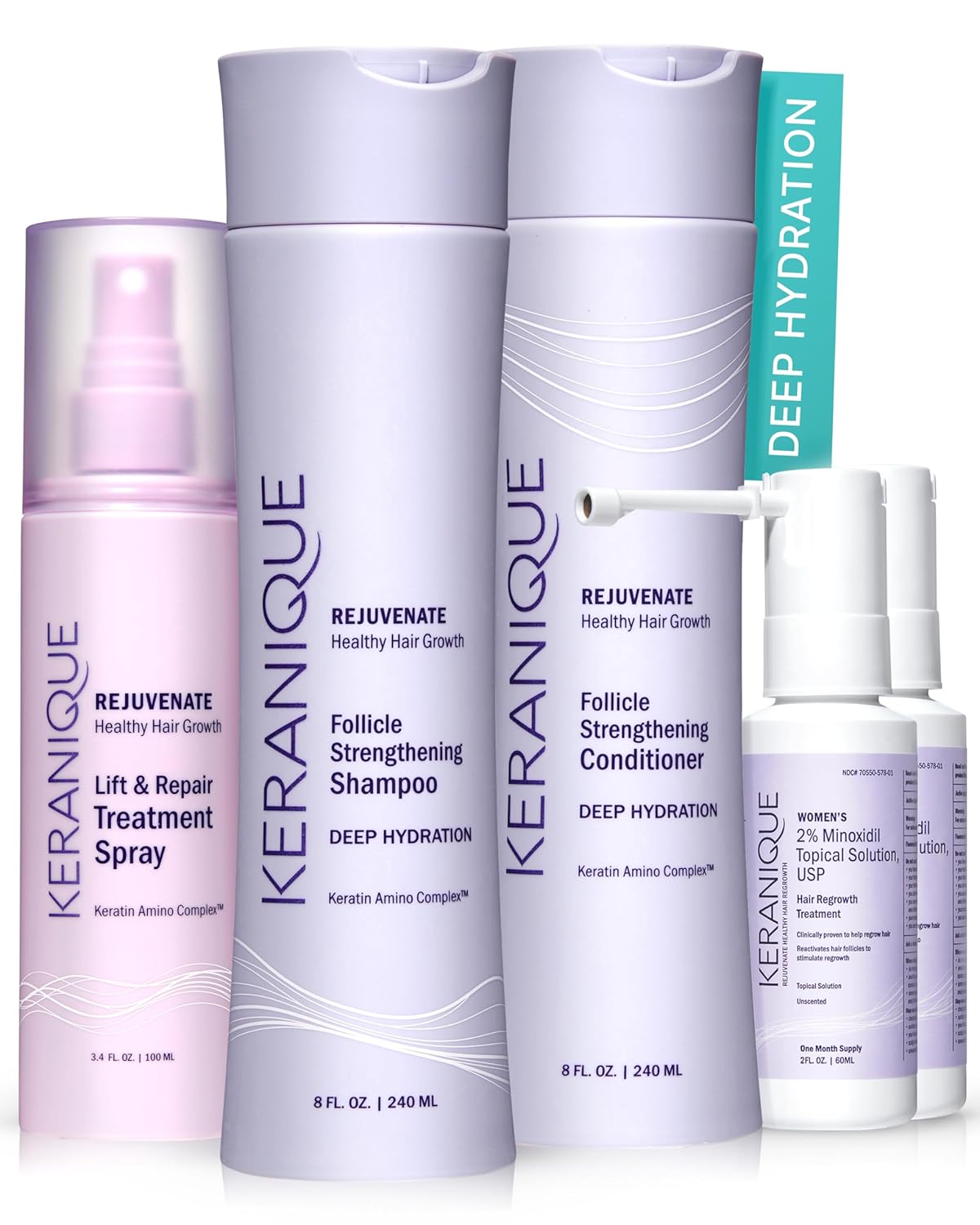
Given these factors, it’s crucial for expectant mothers to consult with healthcare providers before considering any hair loss treatments, including the Keranique Hair Loss Treatment System.
Understanding Breastfeeding Hair Loss and Safe Alternatives 👶
Postpartum hair loss, known as telogen effluvium, affects around 40-50% of women within 2-4 months after giving birth. This is primarily due to hormonal shifts as estrogen levels return to normal. Furthermore, breastfeeding can prolong this hair loss period due to ongoing hormonal changes and increased nutritional demands on the body.
For breastfeeding mothers, there are several safe alternatives that may support hair health:
- Biotin supplements (2.5-5mg daily) can help fortify hair structure.
- Iron supplementation is beneficial if you are deficient, as low iron levels may exacerbate hair loss.
- A gentle scalp massage can enhance circulation without the use of harsh chemicals.
- A protein-rich diet, including eggs, fish, and legumes, provides essential building blocks for hair.
- Topical treatments with copper peptides are generally considered safe during breastfeeding.
These supportive measures may help ease the transition during this challenging phase, ensuring that both mother and baby thrive.
Safe and Effective Postpartum Hair Regrowth Solutions 🌱
Typically, postpartum hair regrowth starts around 6-12 months after delivery as hormone levels stabilize. However, it can take up to 12-18 months for full recovery. The period following breastfeeding is often ideal for introducing stronger hair regrowth treatments.
Here are some effective solutions for postpartum hair regrowth:
- Minoxidil 2% or 5% formulations are considered safe once breastfeeding has concluded.
- Finasteride alternatives, such as saw palmetto, can block DHT without hormonal risks.
- Low-level laser therapy (LLLT) devices stimulate hair follicles with light energy.
- Professional treatments like PRP (platelet-rich plasma) therapy are also available.
- Nutritional support with collagen peptides, vitamin D, and omega-3 fatty acids can create optimal conditions for hair growth.
Exploring these options may provide the support needed for regaining healthy hair after pregnancy.
For further insights into hair loss solutions, consider checking the Keranique Hair Loss Treatment System.